Set along the Roanoke River, Halifax carries a legacy that reaches far beyond its size. Long before independence was declared in Philadelphia, this small North Carolina town helped move an idea into action.
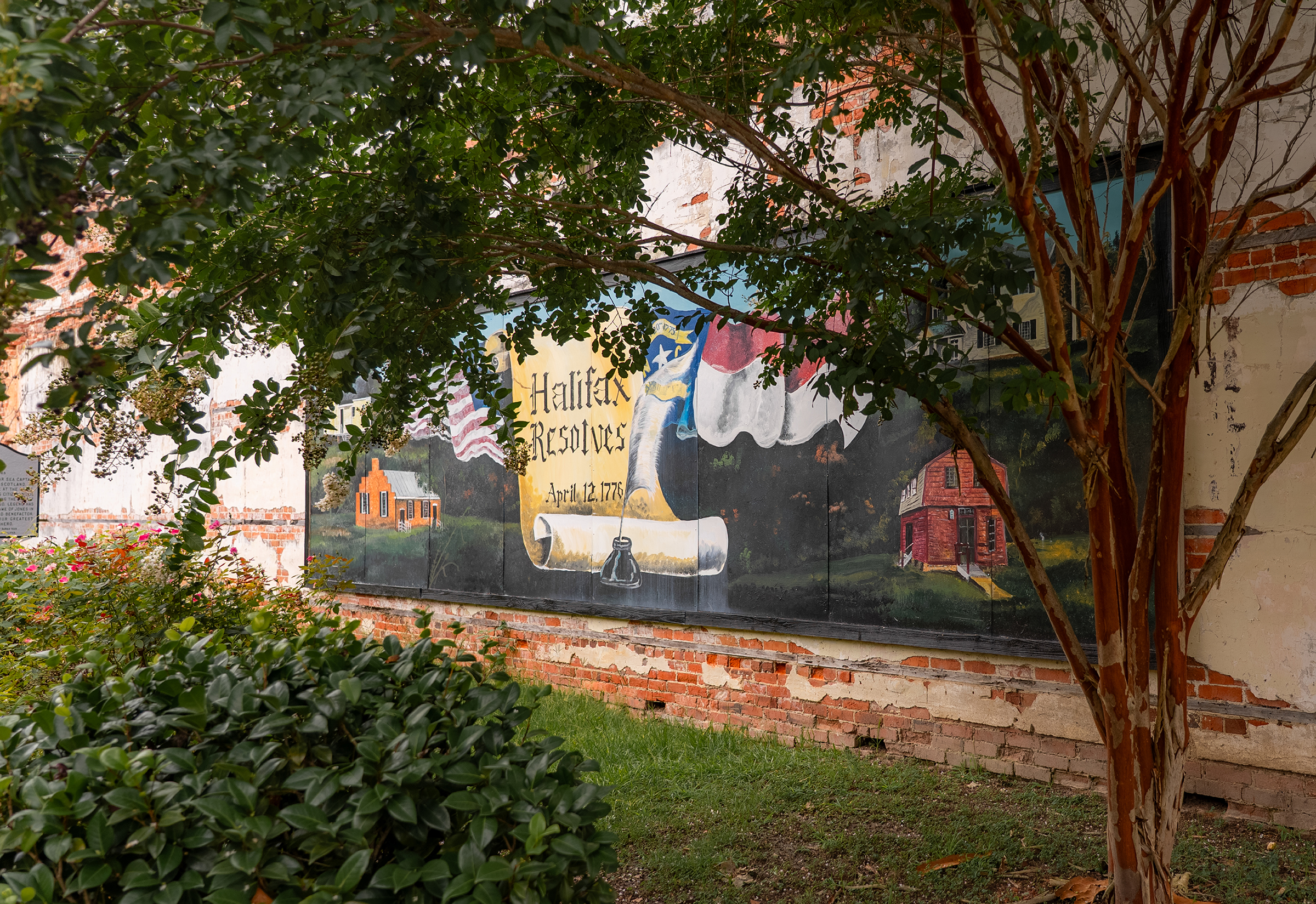
On April 12, 1776, the Fourth Provincial Congress gathered here and adopted the Halifax Resolves—a decisive step that authorized North Carolina’s delegates to the Continental Congress to vote for independence from Great Britain.
It marked the first official call for independence by any colony.
The Turning Point
At a time when many colonies were still uncertain, North Carolina took a clear position. The Halifax Resolves did more than support independence—they set it in motion. Just months later, that momentum carried into the signing of the Declaration of Independence.
The impact was immediate. On August 1, 1776, Halifax became the site of the first official public reading of the Declaration in North Carolina, bringing its message directly to the people.
By year’s end, the town continued shaping the future of the state. North Carolina’s first constitution was drafted here, reinforcing Halifax’s role at the center of early American leadership.
A Place That Lived the Revolution
Halifax’s story is not limited to documents and decisions. In 1781, the area saw conflict between British forces and the Halifax District Militia, underscoring that the fight for independence extended well beyond the page.
Today, that history is preserved at the Historic Halifax State Historic Site, where restored structures and immersive programming offer a direct connection to the 18th century. Among them is the William R. Davie House, the only remaining residence of William R. Davie—a Founding Father, former governor, and influential figure in establishing the University of North Carolina.
Beyond the Revolution
Halifax’s historical significance extends into other chapters of the American story. The town is recognized by the National Park Service Underground Railroad Network to Freedom, reflecting its role in the journey of those seeking freedom from slavery. Today, an interpretive trail shares these powerful and often overlooked stories.
Ongoing investments are helping preserve this legacy. Recent funding supports renovations to the visitor center at Historic Halifax and continued restoration of the Davie House, ensuring the site remains both relevant and accessible.
Looking Toward America’s 250th
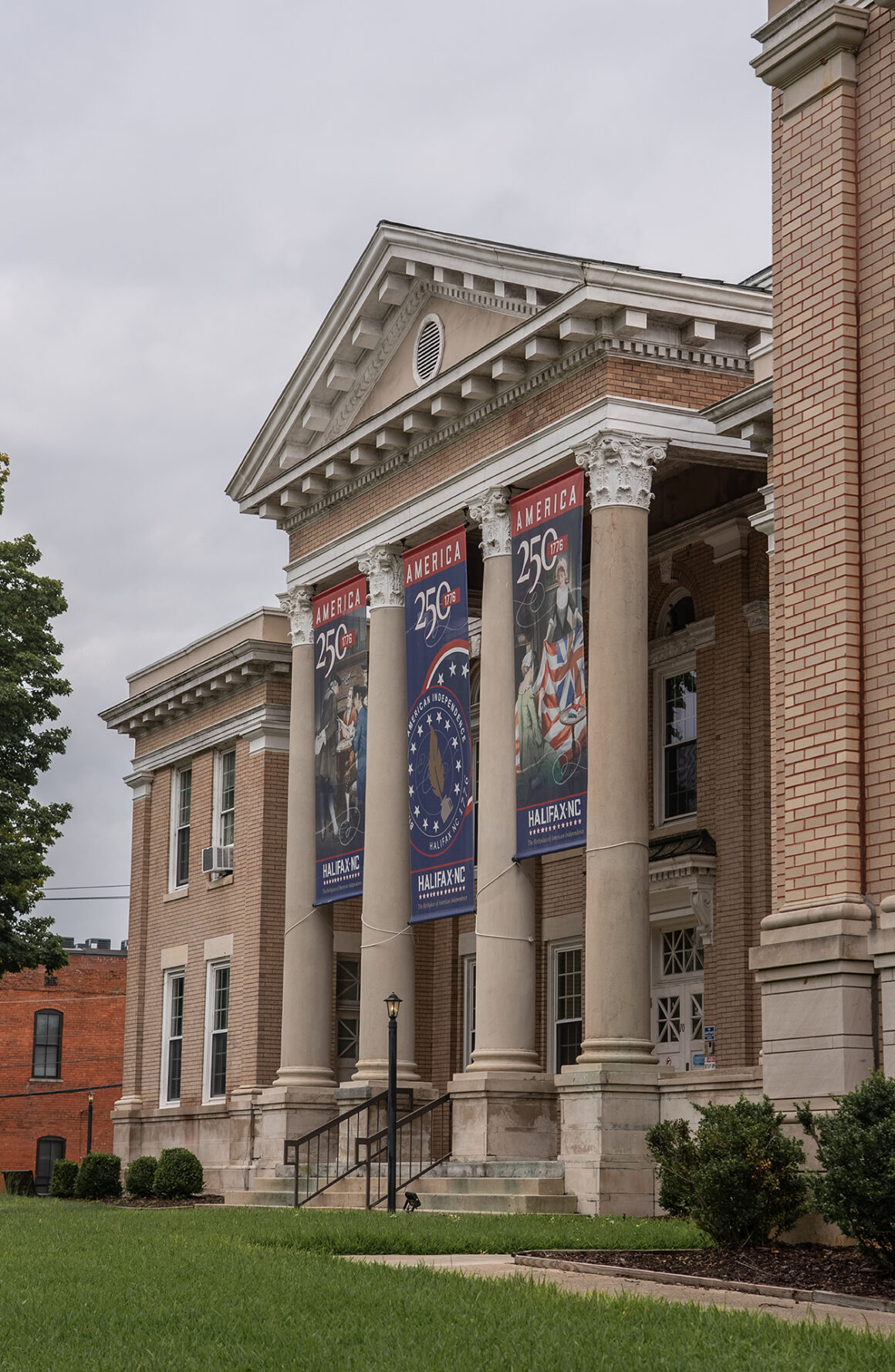
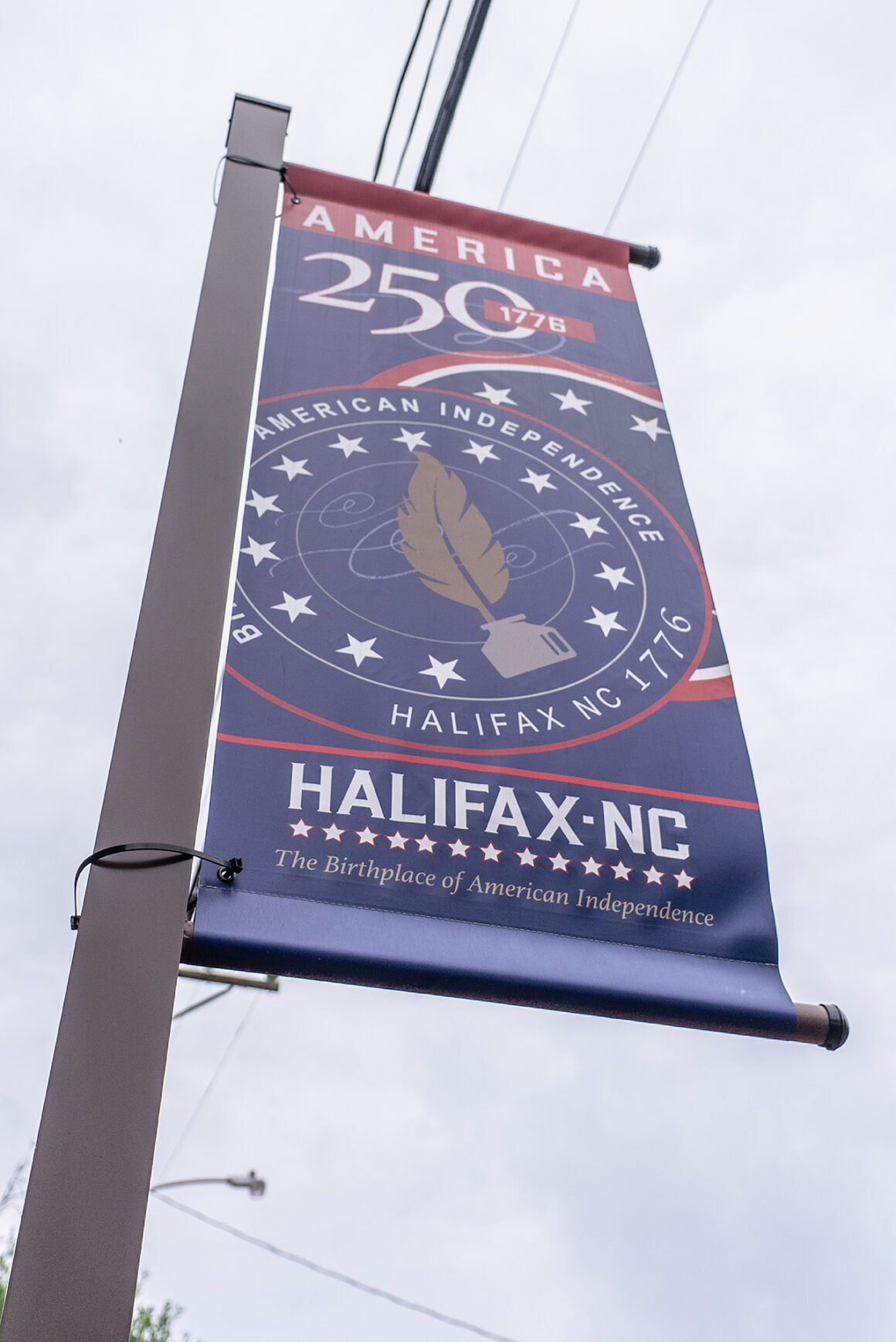
As the nation approaches its 250th anniversary, Halifax is once again stepping forward. Known as the “Birthplace of American Independence,” the town will host a series of events and commemorations honoring its role in shaping the country.
April 12, the date of the Halifax Resolves and one that appears on the North Carolina state flag, serves as a lasting reminder of the state’s early leadership.
Visitors can expect living history experiences, educational programming, and community events that bring this pivotal moment back to life.
Plan Your Visit
Halifax offers more than a look back—it offers a chance to stand where history shifted direction. From preserved buildings to evolving exhibits, it’s a place where the early foundations of the United States feel tangible.
As the countdown to America’s 250th continues, Halifax invites visitors to be part of the story.
Upcoming event dates and details to experience Halifax yourself.
· Prelude to Revolution: Halifax Resolves Days (April 10-12, 2026)
· The Road to Yorktown: Living History Day (May 9, 2026)
· Independence Day Celebration at Historic Halifax (July 4, 2026)
· Independence Comes to NC at Historic Halifax (August 1, 2026)
· Labors of Halifax (August 29, 2026)
· Yuletide by Lanternlight at Historic Halifax (December 4, 2026)
For more informaiton visit: visithalifax.com